

There are more than 80 Types of Dementia (brain failure) -
but only one Response - POSITIVE!!

Understanding Dementia
The term "dementia" is an overall term for a loss of cognitive functioning - thinking, remembering and reasoning - that interferes with daily life. While there are more than 80 known underlying diseases and conditions that cause dementia, the brain failure is most commonly organized by the root pathology.
The most common pathologies are: Alzheimer's disease, Lewy Bodies dementia, Frontotemporal dementia and mixed dementia. Other types and causes encompass numerous other conditions including: neurodegenerative & genetic, vascular & infections, traumatic & toxic/metabolic, structural & rare.
Dementia is more than just memory loss; it is brain failure due to brain changes, diseases and conditions characterized by a decline in memory, language, problem-solving and other thinking skills that affect a person's ability to perform activities of daily living. Some types of dementia are permanent and incurable. Some types of brain failure can be temporary, such as brain failure due to a urinary tract infection (UTI) or "Aids Brain" (when a person stops taking his/her medications).
Listed below are 15 of the more than 80 types of dementia.
Traumatic Brain Injury dementia

Post-traumatic dementia refers to cognitive decline and dementia-like symptoms triggered by head trauma. It encompasses various conditions, including single moderate-to-severe Traumatic Brain Injuries (TBIs) and Chronic Traumatic Encephalopathy (CTE), which is linked to repetitive concussions often seen in contact sports or military blasts.
"Aids Brain" dementia (HAND)

HIV-associated dementia (HAD), or AIDS dementia complex, is a severe neurological complication that occurs when the virus spreads to the brain, causing inflammation and damage to brain cells. It typically develops in the advanced, untreated stages of the disease, though effective antiretroviral therapies have made it largely uncommon.
Urinary Tract Infection (UTI) dementia

In people with dementia, a urinary tract infection (UTI) can trigger delirium—a sudden, severe state of confusion and altered behavior. Because they often cannot communicate localized symptoms like burning or pain, caregivers should watch for abrupt mood swings, sudden cognitive decline, or unexpected lethargy.

Normal pressure hydrocephalus is a brain disorder in which excess cerebrospinal fluid accumulates in the brain’s ventricles, which are fluid-filled chambers. Normal pressure hydrocephalus is called "normal pressure" because despite the excess fluid, CSF pressure as measured during a spinal tap is often normal. As brain ventricles enlarge with the excess CSF, they can disrupt and damage nearby brain tissue, leading to difficulty walking, problems with thinking and reasoning, and loss of bladder control.

Scientists don’t know exactly how many people have Korsakoff syndrome. It’s widely considered less common than Alzheimer’s disease, vascular dementia, frontotemporal dementia (FTD) or Lewy body dementia (LBD). Like more common types of dementia, it may be underdiagnosed. Korsakoff syndrome is most commonly caused by alcohol misuse, but can also be associated with AIDS, cancers that have spread throughout the body, chronic infections, poor nutrition and certain other conditions.

Frontotemporal dementia used to be called Pick's disease after Arnold Pick, M.D., a physician who in 1892 first described a patient with distinct symptoms affecting language. Behavior variant frontotemporal dementia (bvFTD) is characterized by prominent changes in personality and behavior. The nerve cell loss is most prominent in areas that control conduct, judgment, empathy and foresight, among other abilities.

Alzheimer's is the most common cause of dementia, a general term for memory loss and other cognitive abilities serious enough to interfere with daily life. Alzheimer's disease accounts for 60-80% of dementia cases.

Most experts estimate that Lewy body dementia is the third most common cause of dementia after Alzheimer's disease and vascular dementia, accounting for 5 to 10 percent of cases.

The brain changes caused by Parkinson’s disease begin in a region that plays a key role in movement, leading to early symptoms that include tremors and shakiness, muscle stiffness, a shuffling step, stooped posture, difficulty initiating movement and lack of facial expression.

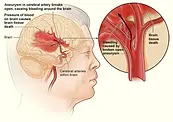
Inadequate blood flow can damage and eventually kill cells anywhere in thebody, but the brain is especially vulnerable.

Creutzfeldt-Jakob disease is rare, occurring in about one in 1 million people annually worldwide. Creutzfeldt-Jakob disease causes a type of dementia that gets worse unusually fast. More common causes of dementia, such as Alzheimer's, Lewy body dementia and frontotemporal dementia, typically progress more slowly.

Huntington's disease is a progressive brain disorder caused by a single defective gene on chromosome 4 — one of the 23 human chromosomes that carry a person’s entire genetic code. This defect is "dominant," meaning that anyone who inherits it from a parent with Huntington's will eventually develop the disease.

Thyroid disorder dementia

Thyroid disorders significantly impact cognitive health. While abnormal thyroid levels can cause "brain fog," memory issues, and confusion that mimic dementia, studies also highlight that both an underactive (hypothyroidism) and overactive (hyperthyroidism) thyroid in later life are linked to an increased risk of developing dementia.
I